Why Speed to Lead Still Wins in 2026 and How AI Helps You Get There
A lead fills out your form at 4:57 p.m. If your team replies tomorrow, you are probably not “following up.” You are recovering from a delay.
That gap still costs real money in 2026. The Artemis 2026 Speed to Lead Benchmark found a median B2B lead response time of 42 hours, while only 7% of companies respond within five minutes. The same benchmark reports that automated lead routing can reduce average response time by 85%. Speed to lead still wins because buyer intent still fades fast, and most teams still respond far slower than they think they do.
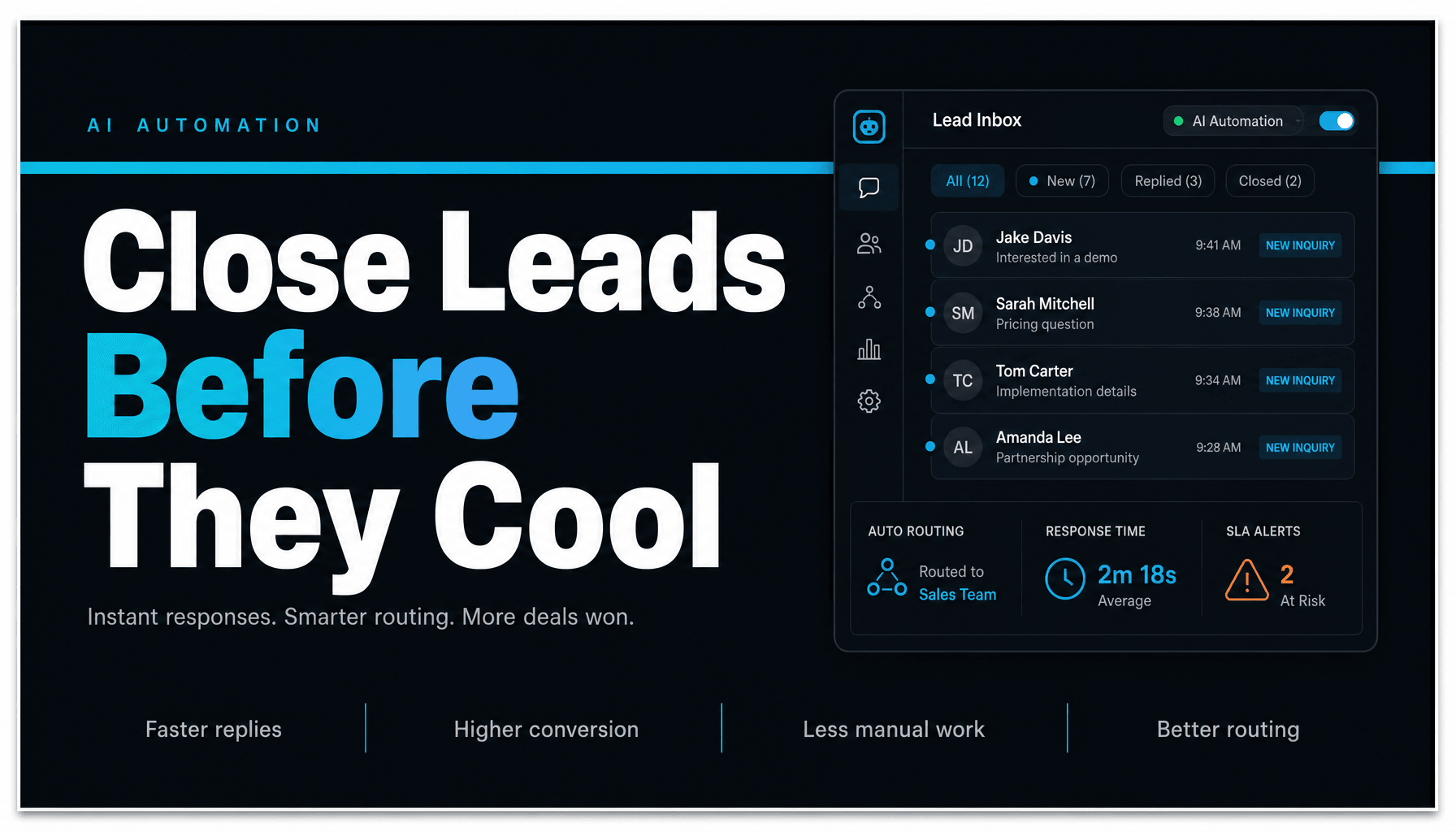
The difference now is that you do not need a bigger sales team to close that gap. You need better AI Automation, tighter CRM Automation, and a response system that moves before a rep opens the record.
The first leak is not bad messaging, it is dead time
Most teams assume poor conversion starts with weak outreach. In practice, the first failure is usually silence.
A prospect requests pricing. The form lands in a shared inbox. Someone checks it after a meeting. Another person tries to figure out territory ownership. By the time a rep sends the first message, the lead has already talked to two competitors.
That is why speed to lead is still such a durable advantage. It solves the highest-friction moment in the funnel: the period between raised hand and first response.
What actually matters in that window is simple:
- Acknowledge the inquiry immediately
- Capture 2 to 4 qualification fields
- Create or update the CRM record
- Route the lead to the right owner
- Trigger the next step without waiting on manual triage
We’ve found that teams often overfocus on lead scoring before they fix response speed. That is backwards. A perfect score delivered 18 hours late is still late.
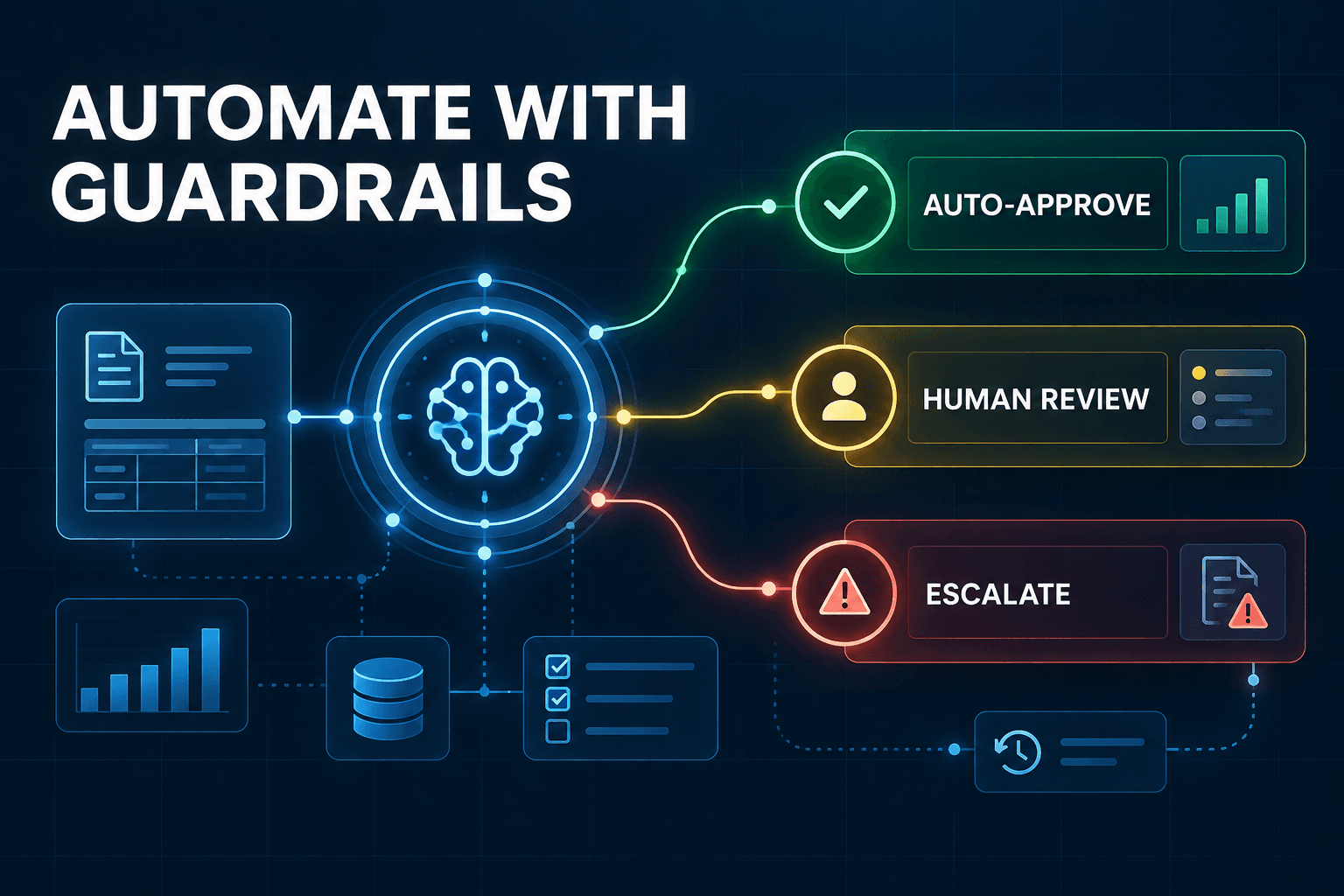
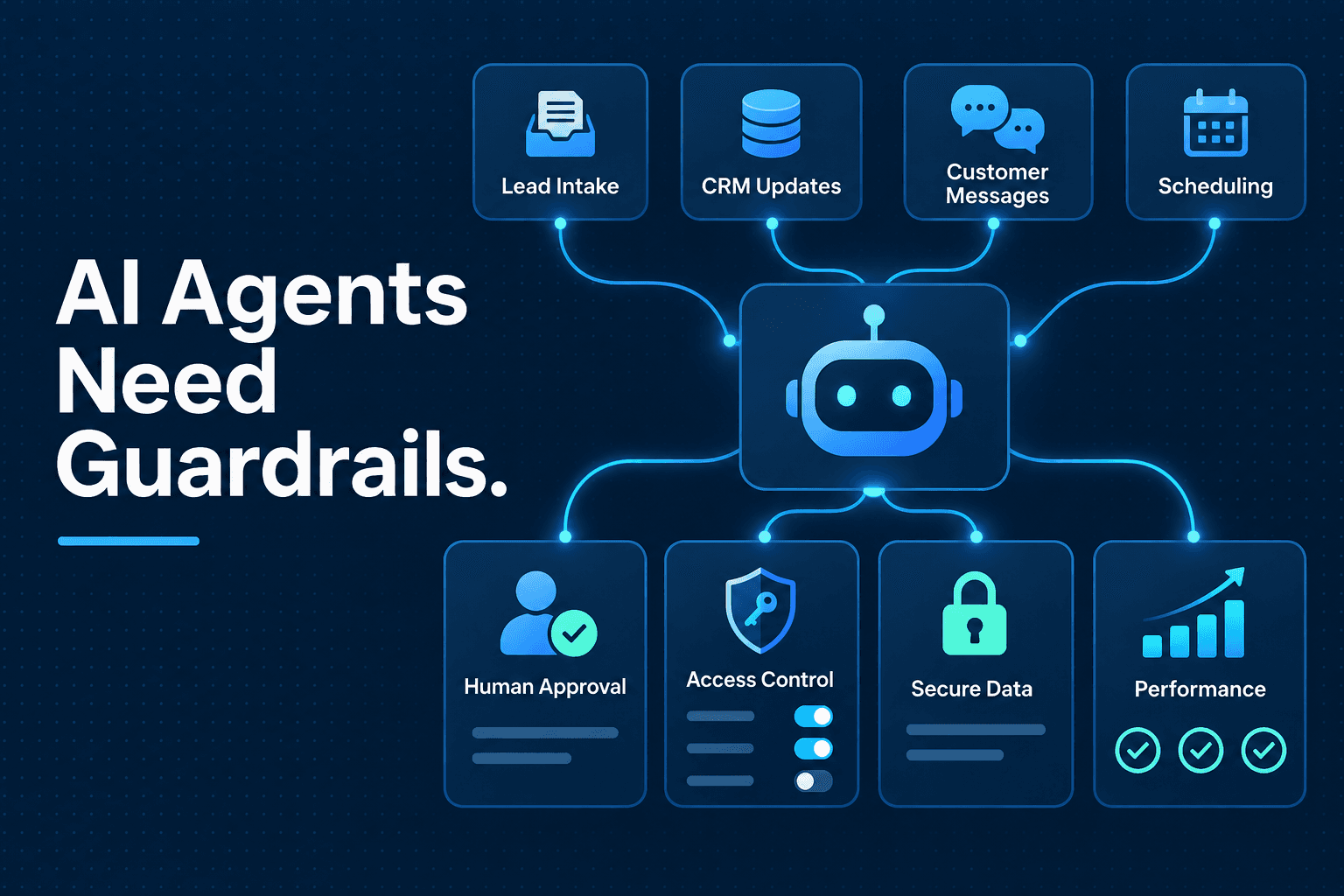
This is where AI Agents help. Instead of leaving new inquiries sitting in email, an agent can read the submission, classify the lead, enrich basic context, write structured fields into the CRM, and start the right workflow. If you want the architecture behind that process, our guide on how to build an AI lead intake system that routes, scores, and responds automatically breaks down the operational side in more detail.
Reply in under 10 minutes, or you lose the best part of intent
The five-minute rule gets repeated a lot, but the broader lesson is more important: the value of an inbound lead is front-loaded.
According to the Artemis 2026 benchmark study, companies that respond within five minutes materially outperform slower teams on qualification and downstream conversion, and conversion probability drops sharply as delays stretch past the first few minutes. That aligns with the older but still widely cited Harvard Business Review finding that firms responding within an hour were dramatically more likely to qualify a lead than those that waited longer.
In plain English, the lead is warmest when they just asked for help.
For a small business, agency, or real estate team, that usually means three things:
- Inbound forms need instant acknowledgment, not next-day follow-up
- Phone calls and voicemails need after-hours coverage, not a callback queue
- Lead routing has to happen automatically, not after someone checks a spreadsheet
This is also why speed is now tied to customer expectations, not just sales efficiency. The Zendesk 2026 CX Trends report says 86% of consumers say responsiveness and accurate resolution strongly influence purchase decisions, and 74% now expect 24/7 service because of AI.
That does not mean every lead wants a long AI conversation. It means they expect a business to be reachable, organized, and fast.
If your main issue is missed inbound calls rather than forms, 8 ways to use Voice AI to cut missed calls in a small business is a better companion read than a generic sales automation article.
Do not automate everything, automate the first 3 moves
This is the mildly contrarian part: most teams do not need a fully autonomous sales stack. They need a reliable first response system.
What actually goes wrong with speed-to-lead projects is not a lack of AI. It is overengineering.
We’ve seen teams build elaborate branching logic, too many scoring variables, and bloated qualification flows that ask the lead to do too much too early. Then response time improves on paper, but conversion stays flat because the experience gets clunky.
A better pattern is to automate only the first three moves:
1. Confirm receipt fast
Send a useful response right away. Not “Thanks, we’ll be in touch.” Give a next step, expected timing, and a simple prompt to continue.
2. Collect just enough routing context
Ask for only what changes ownership or urgency, such as location, service type, budget band, or timeline.
3. Push structured data into the CRM
Do not leave qualification buried in a paragraph. Store clean fields your team can route, score, and report on.
This is where many sales teams are heading. The Salesforce State of Sales, 7th Edition found that 54% of sales teams already use AI agents, and another 34% expect to within two years. But adoption alone is not the win. The win is removing delay without adding confusion.
If your team is comparing options, 9 tools for automating lead qualification without adding SDR headcount is useful for sorting simple routing tools from more capable multi-agent systems.
The real advantage is not faster replies, it is cleaner handoff
Speed to lead is often framed as a race to send the first message. That matters, but the bigger operational payoff is what happens next.
When AI handles the first response well, it also creates better context for the human follow-up. That changes the quality of the conversation.
Instead of a rep seeing “New website lead,” they can see:
- source channel
- requested service
- budget band
- location or territory
- urgency signal
- prior CRM history
- recommended owner or workflow
That is where Workflow Automation starts to feel valuable, not theoretical. The rep is not starting from zero. Marketing is not wondering whether sales followed up. Operations is not cleaning up duplicate records two days later.
We’ve found that this is the point many teams miss when they talk about lead response. The reply itself is only one task. The handoff is the system.
For businesses with longer sales cycles, especially in services and real estate, this matters even more. A fast first reply without clean routing just moves the bottleneck downstream. A fast reply plus structured handoff creates momentum all the way into qualification and booking. If your process breaks later in the journey, how to automate lead follow-up covers the sequences and trigger logic that keep the conversation moving after first contact.
If your data is messy, AI will help you fail faster
This is the part vendors tend to skip.
AI can absolutely compress response time. It can also make a messy process scale faster than ever. If your forms are inconsistent, routing rules are vague, and CRM fields are unreliable, the automation layer will expose every weakness.
That is not a reason to avoid AI. It is a reason to be specific before you deploy it.
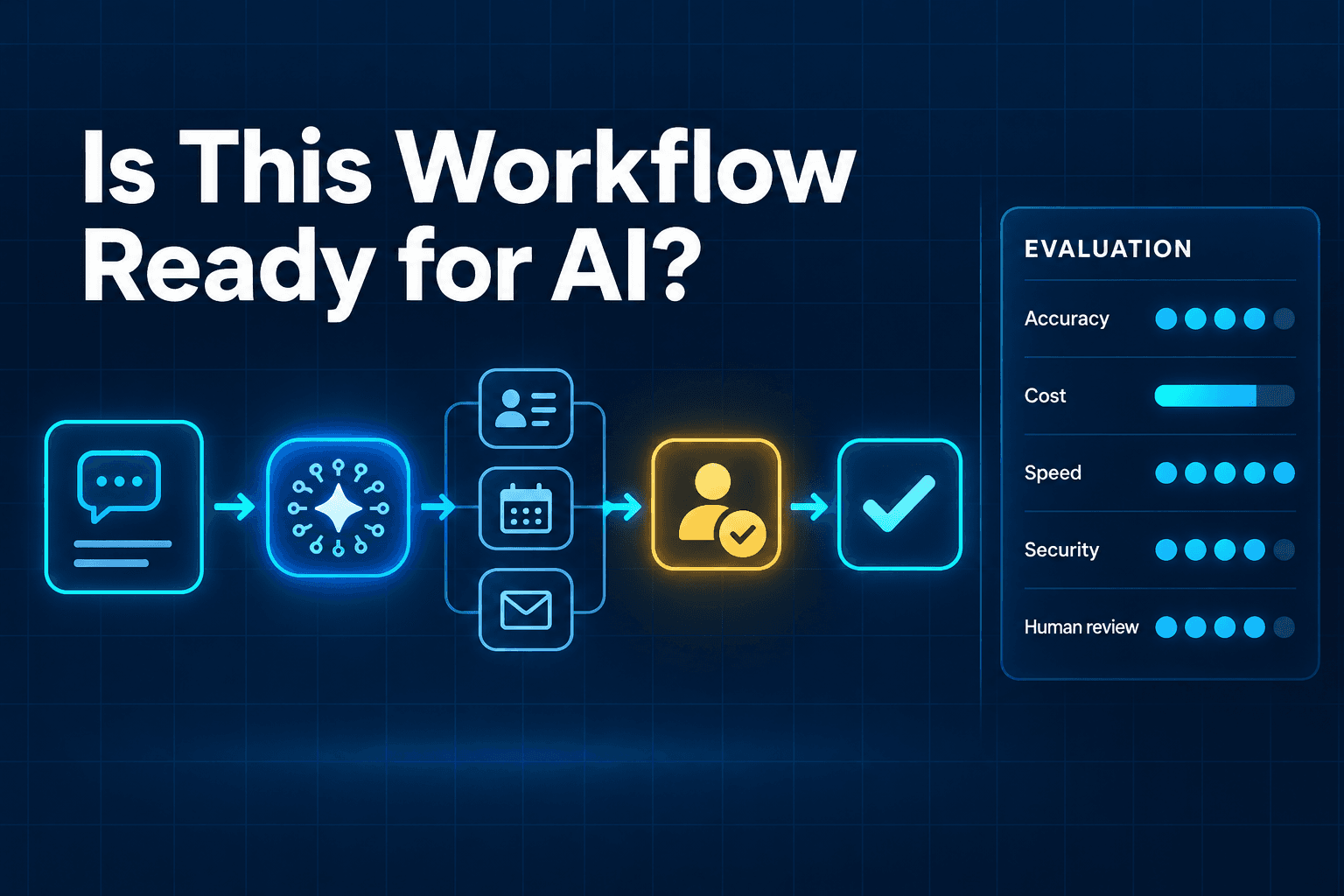
Before turning on any lead-response workflow, we recommend tightening five things:
-
Define a real owner map
Who gets the lead by geography, segment, service line, or account type? -
Standardize your required fields
If reps interpret “qualified” differently, automation will inherit the same confusion. -
Separate urgency from fit
A low-budget lead can still need a fast reply. Do not treat those as the same decision. -
Write fallback rules
If confidence is low, send to review instead of pretending the model knows. -
Track time-to-first-action, not just time-to-first-email
An autoresponder is not enough if nothing else happens.
This caution matters because customer patience is thin. The PwC 2025 Customer Experience Survey found that 29% of consumers stopped buying from a brand because of poor customer experience. Fast but sloppy is still sloppy.
If you are early in your rollout, our piece on 10 common mistakes small businesses make when integrating AI is worth reviewing before you add more moving parts.
Winning in 2026 looks boring, and that is the point
The teams that win on speed to lead in 2026 are usually not doing anything flashy. They are just removing avoidable delay.
They have forms that trigger immediate action. They use AI Agents to qualify and route. They connect inbound channels to the CRM. They let Voice AI handle calls when staff are unavailable. They give reps better context instead of more admin.
That sounds simple because it is. Simple is what works.
The mistake is treating speed to lead like a motivational problem. It is a systems problem. Reps do not need more reminders to “follow up faster.” They need workflows that make fast follow-up the default.
If your team is still relying on inbox monitoring, manual triage, and inconsistent routing, start there. Build the first-response layer first. Tighten the handoff second. Add deeper enrichment and scoring once the basics are dependable.
Free playbook
The Speed-to-Lead Playbook
Response benchmarks, a 5–8 touch cadence, qualification rules, and a 4-stage intake workflow — the system that stops inbound revenue from leaking between the form and the first real conversation.
Get the free playbookIf you want help designing that system, AI-Automated builds practical AI Automation workflows for lead capture, Lead qualification, CRM Automation, and Voice AI coverage that help teams respond faster without adding headcount. If that sounds like the bottleneck you are dealing with, schedule a consultation and we’ll map the fastest way to fix it.