The Complete Guide to AI Agents for Appointment Confirmation and No-Show Reduction
What if your no-show problem is not a reminder problem at all, but a workflow problem wearing a calendar hat?
That sounds a little rude. It is also usually true. A recent NHS England survey found that nearly 1 in 4 people missed an appointment because they forgot or arrived too late, while GP no-shows still accounted for 16 million missed appointments in 2025 according to NHS England’s March 2026 campaign update. In other words, missed appointments are not some mysterious force of nature. They are often preventable friction.
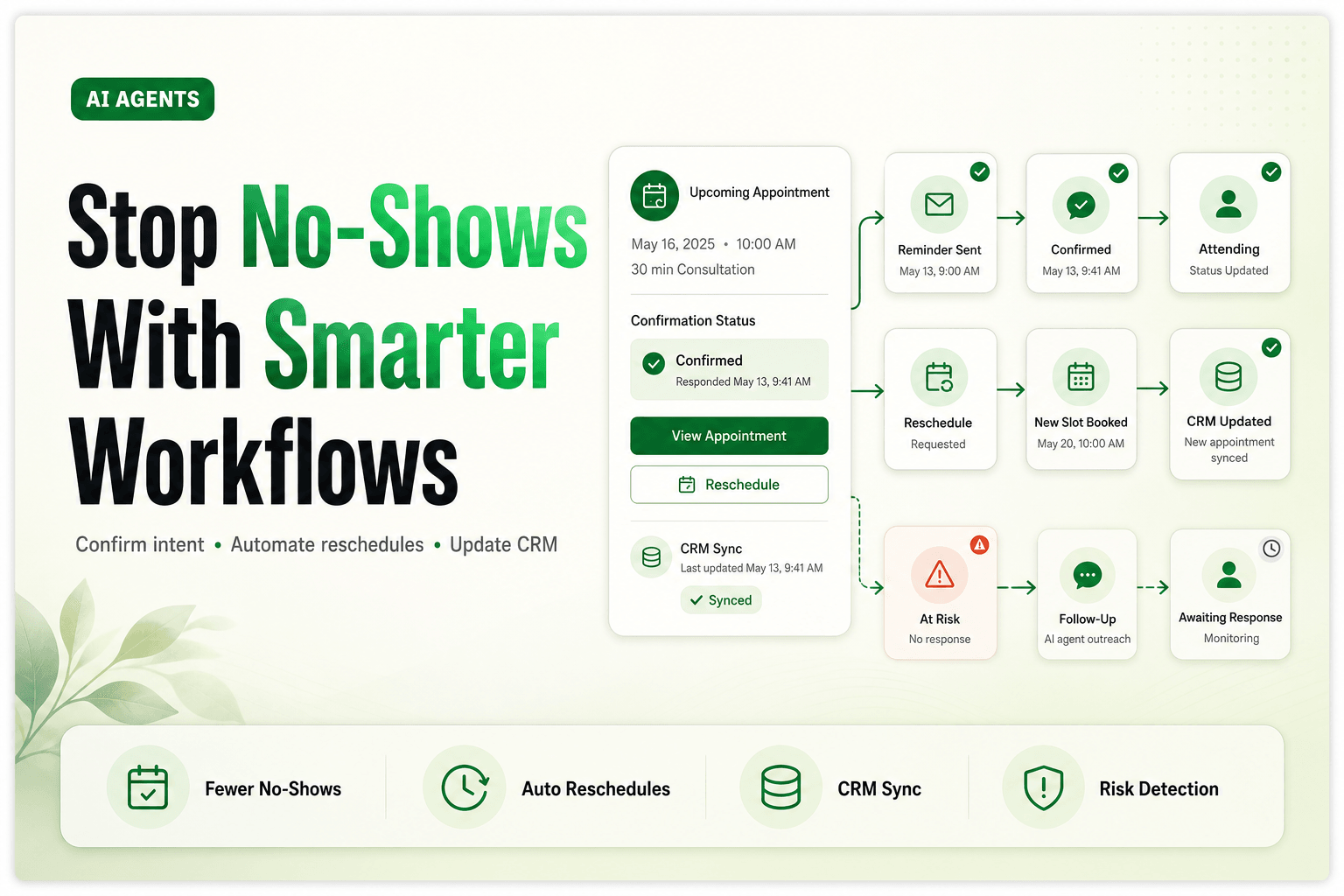
This is where AI Agents, AI Automation, and Workflow Automation start earning their keep. Not because an agent can send a basic “see you tomorrow” text. Your software could do that years ago. The real upgrade is using AI to confirm intent, catch scheduling risk, handle reschedules, update your CRM, and route edge cases before an empty slot shows up on your revenue report.
We’ve found the best appointment confirmation systems do three things well:
- confirm the appointment
- surface problems early
- trigger the next action without manual chasing
That is how you reduce no-shows without turning your team into a reminder department.
The real failure usually happens before the reminder goes out
Most businesses assume no-shows happen because customers forget. Sometimes they do. But in practice, a lot of no-shows are just unresolved friction that started days earlier.
The customer booked the wrong service. They never got a clear prep instruction. They need to reschedule but can only do it by calling during business hours. Or your team sent a reminder that asks for nothing, confirms nothing, and updates nothing.
That last one matters more than people think. A reminder that cannot collect a reply is basically a digital sticky note.
A stronger appointment confirmation flow looks more like this:
- booking is created
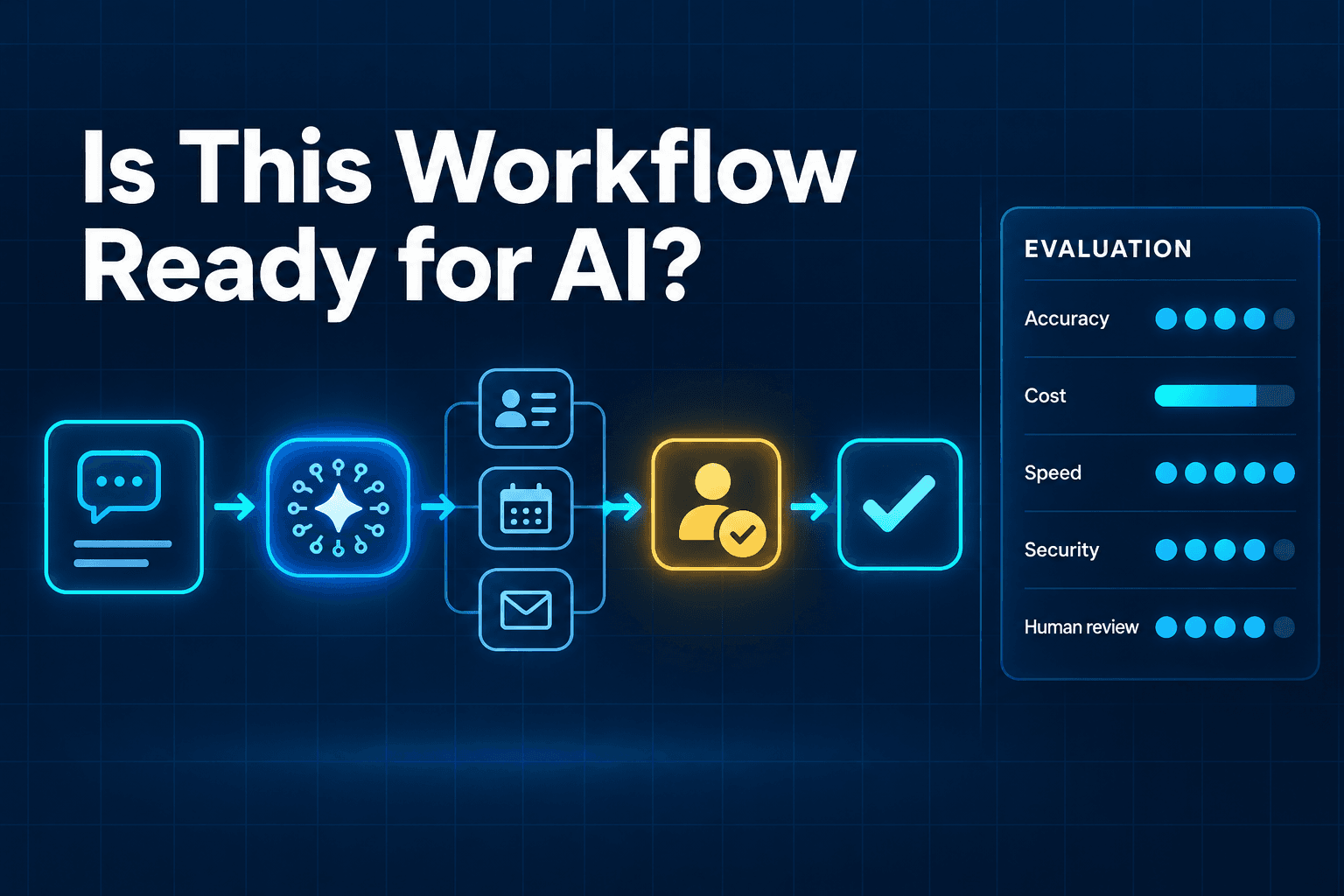
- an AI agent sends confirmation in the right channel
- the customer can confirm, cancel, or reschedule immediately
- the system updates the calendar and CRM automatically
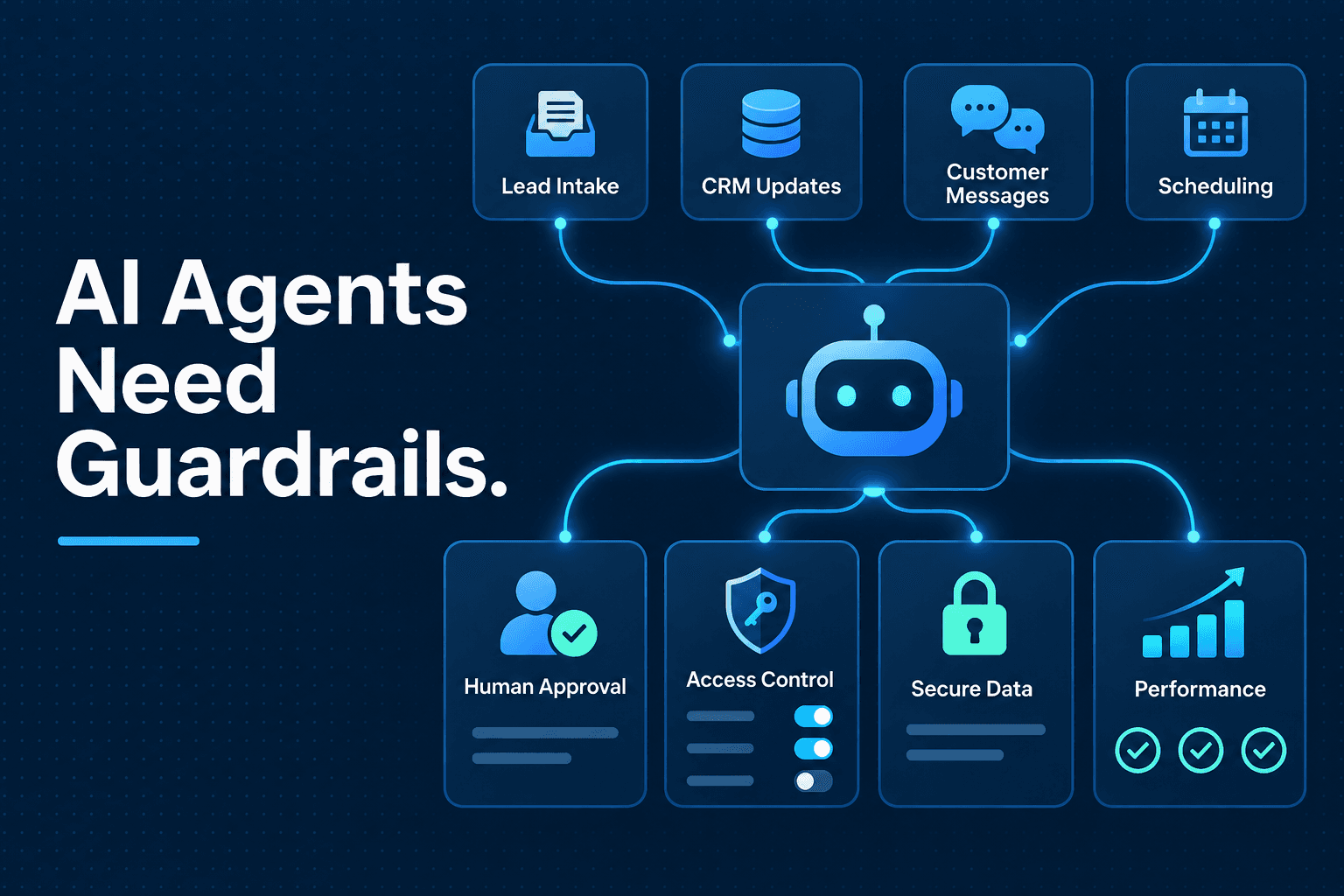
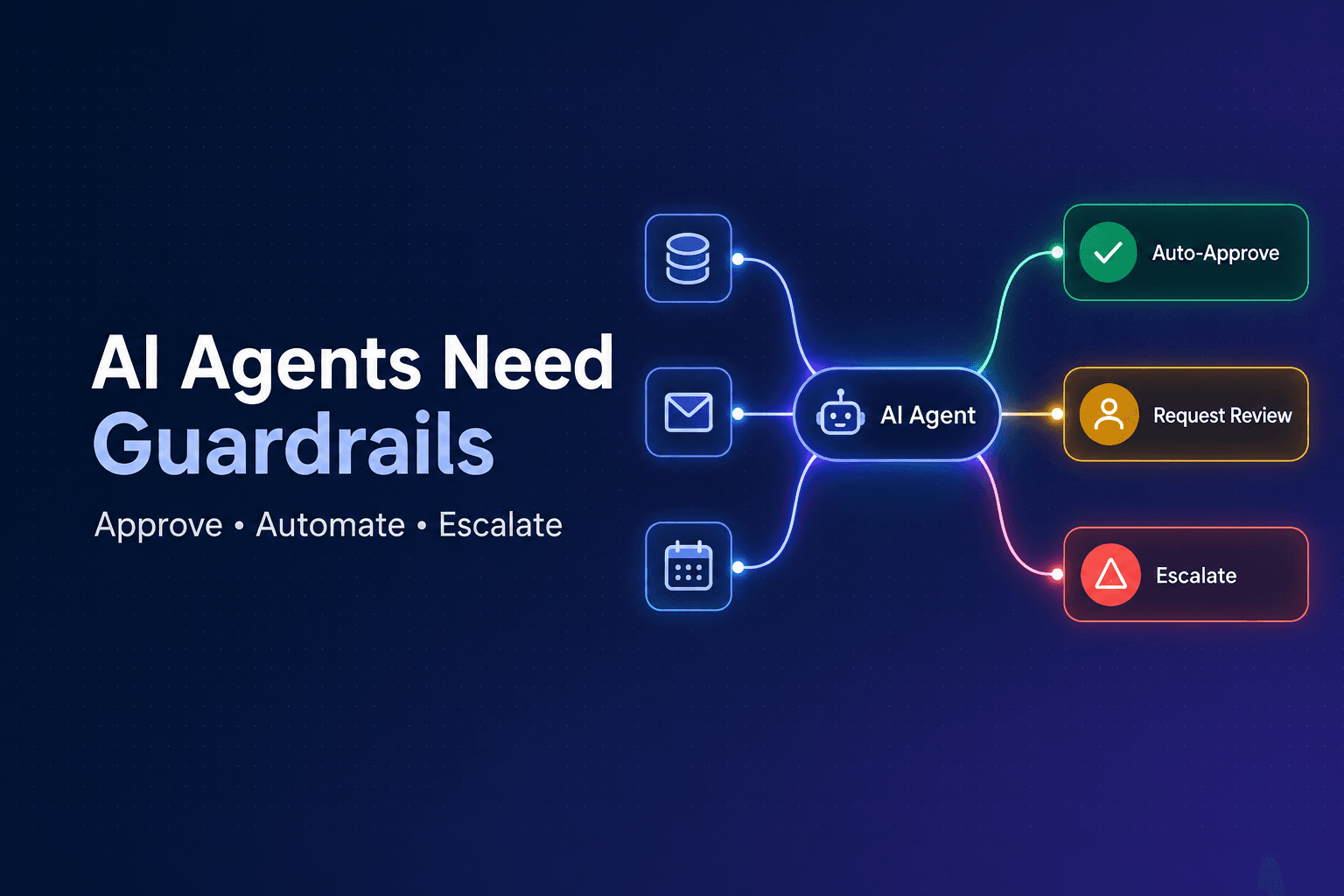
- exceptions get routed to a human if needed
That sounds simple. It is simple. It is also where many businesses still fall apart.
If your booking flow still relies on one-way email reminders and a front desk team manually checking replies across text, voicemail, and inboxes, you do not have confirmation automation. You have a scavenger hunt with calendar invites.
This is also why structured data matters. If the system does not know the appointment type, location, assigned staff member, prep requirements, or reschedule rules, the agent cannot make smart decisions. That is the same reason structured data makes better AI automations in CRM and ops workflows. Messy inputs create messy confirmations.
A confirmation message should ask for commitment, not just attention
Here is the mildly contrarian bit: sending more reminders is not always the fix.
A 2025 study published in The Journal for Healthcare Quality found that simply changing pre-appointment text language to sound more empathic did not produce a statistically significant attendance improvement in this PubMed-indexed study on empathic preappointment communication. Translation: nicer wording alone is not a strategy.
What works better is designing the message around action.
A good AI confirmation message should do at least one of these:
- ask the customer to confirm with a tap or reply
- provide a direct reschedule path
- flag missing prep steps
- escalate uncertainty before the appointment is lost
We’ve found that commitment beats passive awareness. If someone has to actively confirm, they are more likely to notice a conflict early. If they can reschedule in 20 seconds, they are less likely to disappear and create a hole in the calendar.
This is especially important for teams dealing with high appointment volume, after-hours bookings, or frequent schedule changes. A smart agent can handle:
- first confirmation right after booking
- reminder sequence 72 hours, 24 hours, and same day
- channel switching from SMS to email to voice if no response
- CRM Automation when status changes from confirmed to at-risk
- handoff to staff when the customer asks something unusual
For voice-first businesses, this is where Voice AI gets interesting. If a client misses a confirmation text but answers a call, the system can still confirm, collect intent, and route the outcome. If inbound calls are part of your scheduling mess, Why Voice AI Is the Missing Front Desk for Small Businesses is a useful companion read.
Don’t remind everyone the same way, the timing matters more than most teams think
A lot of reminder setups fail because they use one universal timing rule for every appointment. That is tidy for the software. It is often bad for the business.
A 2026 quality improvement project in an outpatient clinic reduced no-shows from 29% to 21% by moving phone reminders from one day before the visit to three days prior, producing $5,200 in savings over 12 days as reported in this 2026 PubMed-indexed study. The point is not that every business should copy a three-day reminder. The point is that reminder timing changes outcomes.
What actually works depends on appointment type.
Short-lead appointments
Think salons, medspas, demos, consultations.
These usually benefit from:
- immediate confirmation after booking
- reminder 24 hours before
- final nudge 1 to 3 hours before
Prep-heavy appointments
Think healthcare, legal consults, onboarding calls, inspections.
These often need:
- immediate confirmation
- prep reminder 3 to 5 days before
- final confirmation 24 hours before
High-value or high-risk appointments
Think estimates, enterprise demos, specialist visits.
These deserve extra logic:
- confirmation required
- fallback to another channel if ignored
- human outreach for repeat no-show patterns
This is where Multi-agent Systems can outperform a single generic bot. One agent manages messaging cadence, another checks calendar rules, another updates CRM status, and another routes exception cases. If you want the architecture behind that, The Complete Guide to Multi-Agent AI Systems for Small Business Operations breaks down how specialized agents handle these kinds of handoffs cleanly.
The biggest no-show win is often rescheduling, not reminding
Here is the part many teams miss: a canceled appointment is usually better than a no-show.
Why? Because a cancellation gives you a chance to refill the slot, protect staff time, and keep the customer in motion instead of losing them in silence.
That is why your AI agent should not stop at “Reply YES to confirm.” It should also make rescheduling ridiculously easy.
A 2026 Tebra survey of 3,196 U.S. adults found that 69% said they would be more likely to show up if they could reschedule online, yet 77% still have to call the office to do it according to Tebra’s 2026 patient no-show survey. That gap is doing real damage.
In practice, the best reschedule flow looks like this:
If the customer says...The AI agent should do...Result“I can’t make it”Offer approved alternate timesSave the appointment value“I need to check something”Set an automated follow-up windowKeep the slot from vanishing silently“Can we move this?”Open self-serve reschedule options with guardrailsReduce back-and-forthNo responseTrigger fallback reminder or staff reviewCatch at-risk appointments early
This is why we treat appointment confirmation as a branch point, not a notification event. The goal is not just attendance. The goal is to keep the schedule accurate in real time.
If reschedules are currently eating your day, 6 ways to automate appointment rescheduling without losing the human touch goes deeper on the operational side.
What actually goes wrong with AI appointment agents
Plenty of teams install reminder software and still get mediocre results. Usually because they automate the obvious part and ignore the ugly part.
The ugly part looks like this:
- duplicate bookings and stale CRM records
- reminders sent with missing context
- no fallback when SMS fails
- no logic for prep instructions or location changes
- no exception handling when the customer replies with a real question
This lines up with broader AI adoption patterns too. Salesforce reported that 66% of customer service organizations are using AI agents in 2026, up from 39% in 2025, and 70% of adopters saw measurable value within 60 days in Salesforce’s 2026 service research. But adoption is not the same thing as doing it well.
What we’ve found is that appointment agents fail when they are treated like a messaging feature instead of an operations workflow.
A solid system needs:
- clean booking and customer data
- clear status definitions like
confirmed,needs_reschedule, andat_risk - routing rules for humans to step in
- CRM updates tied to every appointment outcome
- reporting on confirmation rate, reschedule rate, and no-show rate by channel
That last one matters. If you cannot see which appointment types, staff calendars, or lead sources create the most no-shows, you cannot fix the upstream process.
This is also where The Complete Guide to CRM Automation for Teams That Hate Manual Data Entry becomes relevant. No-show reduction gets much easier when confirmation outcomes actually flow back into the CRM instead of living inside disconnected booking tools.
Start with one high-friction appointment flow, not your whole calendar universe
The fastest way to make this harder than necessary is trying to automate every appointment type at once.
Start with the flow that hurts the most. Usually that is one of these:
- consultations from inbound leads
- high-ticket appointments with long booking windows
- after-hours bookings that go cold overnight
- recurring appointments with high reschedule volume
Then build a scorecard around it.
Appointment confirmation scorecard
- Confirmation rate
- Reschedule completion rate
- No-show rate
- Time to first confirmation attempt
- Human intervention rate
- Slots recovered through rescheduling
If you want a practical benchmark, compare before and after for one service line over 30 days. Even a modest drop in no-shows can create outsized gains if the appointments are high-value or capacity is tight.
This is the same thinking behind AI agents for appointment booking and calendar automation: map the workflow, define the branch logic, then let the system do the repetitive parts fast and consistently.
The trap is buying a tool and assuming the workflow comes included. It doesn’t. Good AI Automation is less about sprinkling intelligence on top of a broken process, and more about building a system that knows what to do next.
No-shows are expensive, annoying, and weirdly normalized. They should not be. With the right AI Agents, Voice AI, and Workflow Automation, appointment confirmation becomes more than a reminder blast. It becomes a live operating layer that confirms intent, catches friction early, recovers at-risk bookings, and keeps your team out of manual follow-up purgatory.
If your business books appointments and still relies on staff to chase confirmations by hand, that is a fixable problem. AI-Automated builds practical systems for confirmation flows, lead qualification, scheduling, and CRM Automation that reduce no-shows without making the customer experience feel robotic. If you want a setup that actually fits how your team works, let’s build one.