Why Real Estate Teams Need AI for Speed-to-Response, Not Just Lead Generation
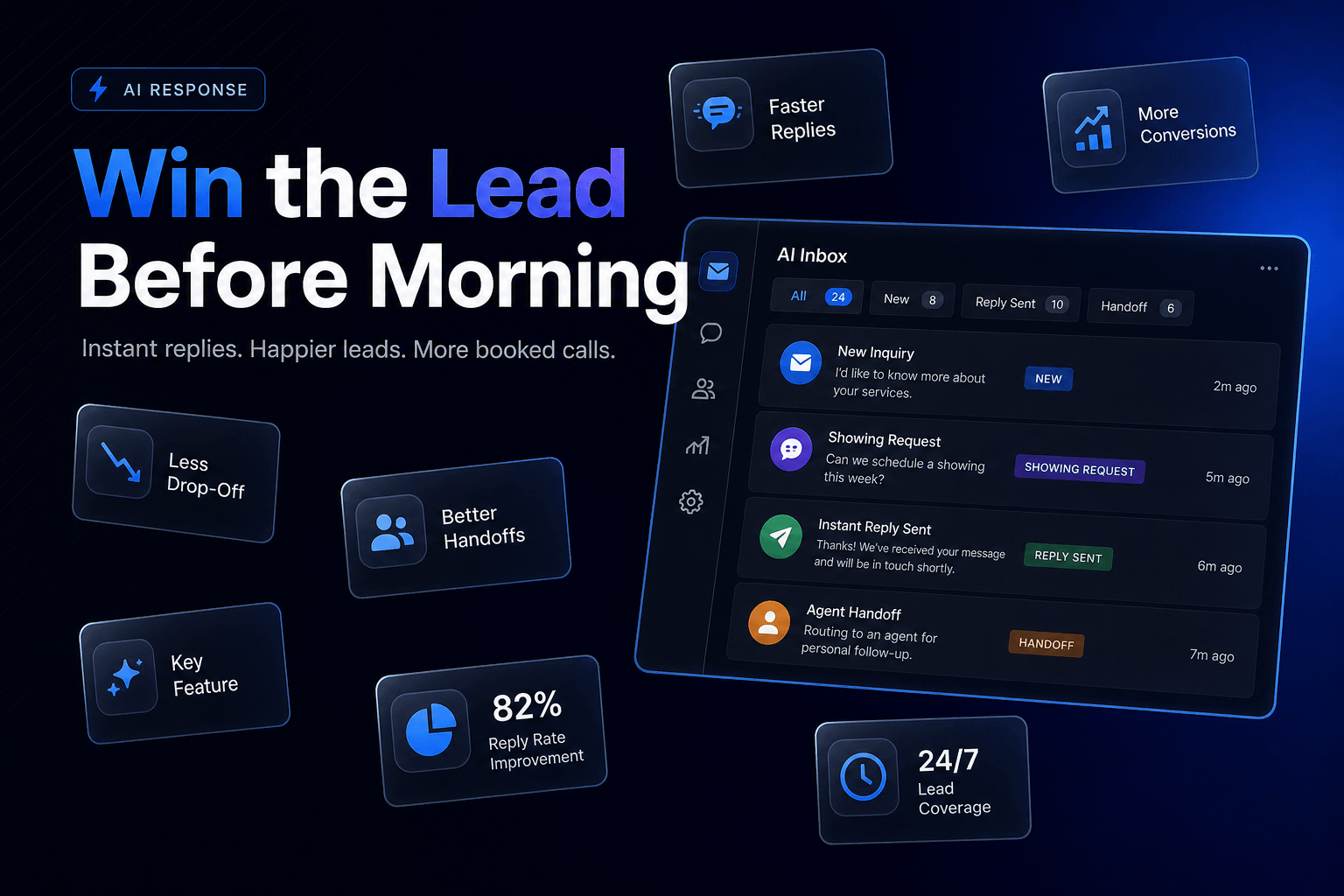
What does a buyer get after submitting a showing request at 8:43 p.m.? For too many real estate teams: silence, a generic auto-email, then a call the next morning after they have already bookmarked three competing agents.
That gap is why AI deserves attention in real estate. The National Association of REALTORS® found that 46% of agents already use AI-generated content, yet 46% say AI has made no noticeable impact on their business. The difference usually comes down to where the tool sits. AI that writes another listing caption is handy. AI that makes sure every serious inquiry gets a useful response, context, and a next step before the window closes can change the operating rhythm of a team.
Lead generation gets all the attention because it is easy to count. Speed-to-response is where that spend either turns into appointments or evaporates quietly.
More leads make the leak worse when the first 10 minutes are unowned
A team can spend thousands on portals, paid social, neighborhood landing pages, referral partnerships, and sign calls. Then every inquiry lands in a shared inbox that nobody truly owns after 5 p.m. It is a strange way to run a sales operation, but it happens constantly.
The first response should have a named owner, a deadline, and a fallback path. Without those three pieces, “we respond quickly” is just team folklore.
Salesforce’s 2026 survey found that 51% of sales leaders using AI say disconnected systems are slowing their initiatives. Salesforce’s 2026 State of Sales research (salesforce.com) Real estate teams feel that problem in a particularly annoying form: portal leads, website forms, phone calls, direct messages, and open-house sign-ins all arrive with different data and different expectations.
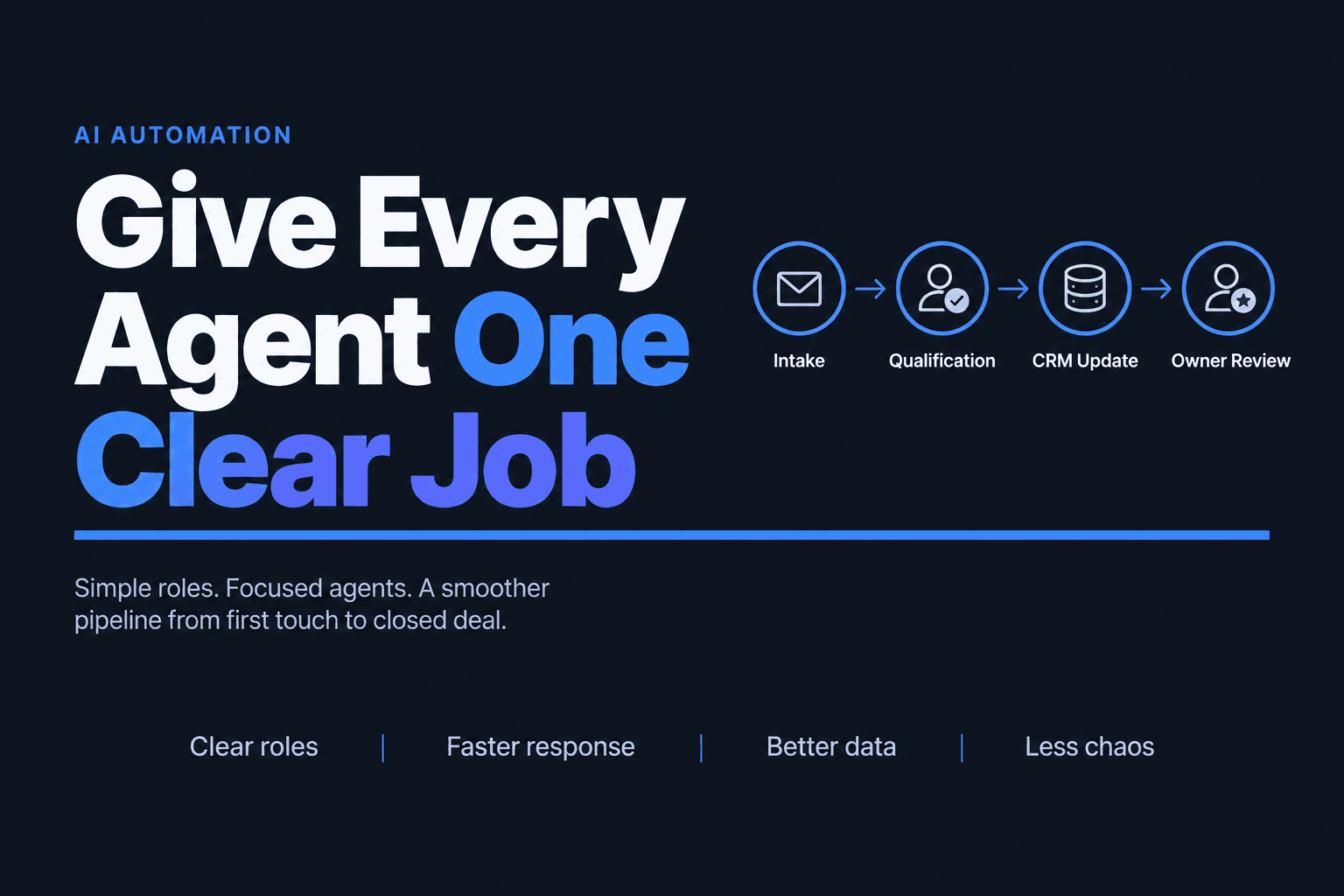
A practical AI Automation workflow gives every new inquiry the same first-mile treatment:
- Capture the source, property, timestamp, agent preference, and contact details.
- Identify the inquiry type: buyer, seller, renter, investor, vendor, or “just checking if the pool is heated.”
- Send a response appropriate to the channel and the question.
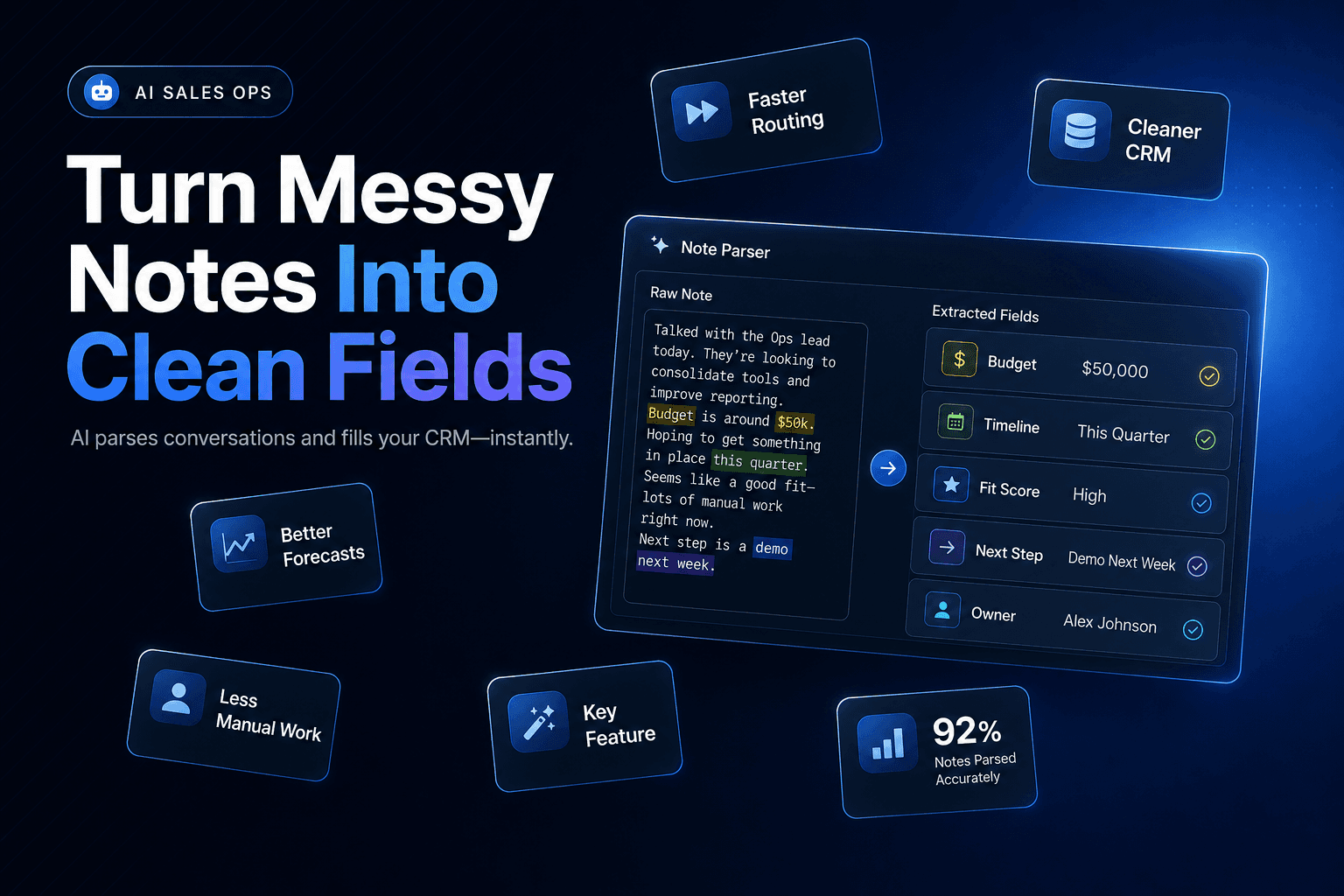
- Create or update the CRM record.
- Assign a human owner and start an escalation timer.
That is not glamorous. Good. Neither is a smoke detector, until you need one.
We have found that the real operational win comes from turning response time into a system requirement instead of a personal habit. Agents should not have to remember which Facebook lead came in during a showing. The workflow should remember, log the action, and make the next move obvious.
For teams building this from scratch, an AI lead intake system that routes, scores, and responds automatically is a better starting point than adding another disconnected chat widget.
The first reply must create momentum, not pretend to close
An instant reply can still be bad.
“Thanks for your interest. Someone will be in touch shortly” is technically fast, emotionally flat, and not very useful. It tells the prospect they have entered a queue. Nobody enjoys being admitted to a queue.
The job of the first message is smaller and more important: acknowledge the exact reason the person reached out, collect one missing detail if necessary, and offer a concrete next step.
For a buyer asking about a specific listing, the AI agent might send:
Thanks for asking about 412 Maple Street. Are you hoping to tour this week, or are you comparing homes in the area first? I can send available times and have an agent answer any property-specific questions.
That message does four things in a few seconds:
- Confirms the inquiry was received by a real operation, not swallowed by a form.
- References the property, which proves the team has context.
- Creates a low-friction qualification moment.
- Gives the prospect an easy way to move forward.
The system should avoid guessing. It should not invent availability, offer legal advice, make fair-housing-sensitive assumptions, or riff on property details pulled from stale listing data. Keep early messages narrow, factual, and designed to earn a reply.
This is where Lead qualification becomes useful without feeling like an interrogation. Ask for timing before income. Ask for preferred area before a dozen form fields. A buyer who says, “We need to move before school starts” belongs in a different response path than someone browsing condos for next spring.
If the team wants more disciplined logic behind those decisions, use an AI lead qualification score that sales teams will actually trust. The key is making the score explainable. “High priority because they requested a tour this week and have financing pre-approval” beats a mysterious 92/100 every time.
Your response clock starts in the channel where the prospect raised their hand
A buyer who calls wants a conversation. A person who sends an Instagram message probably does not want a voicemail two hours later. Teams lose speed when they treat every inquiry as an email lead with a different costume.
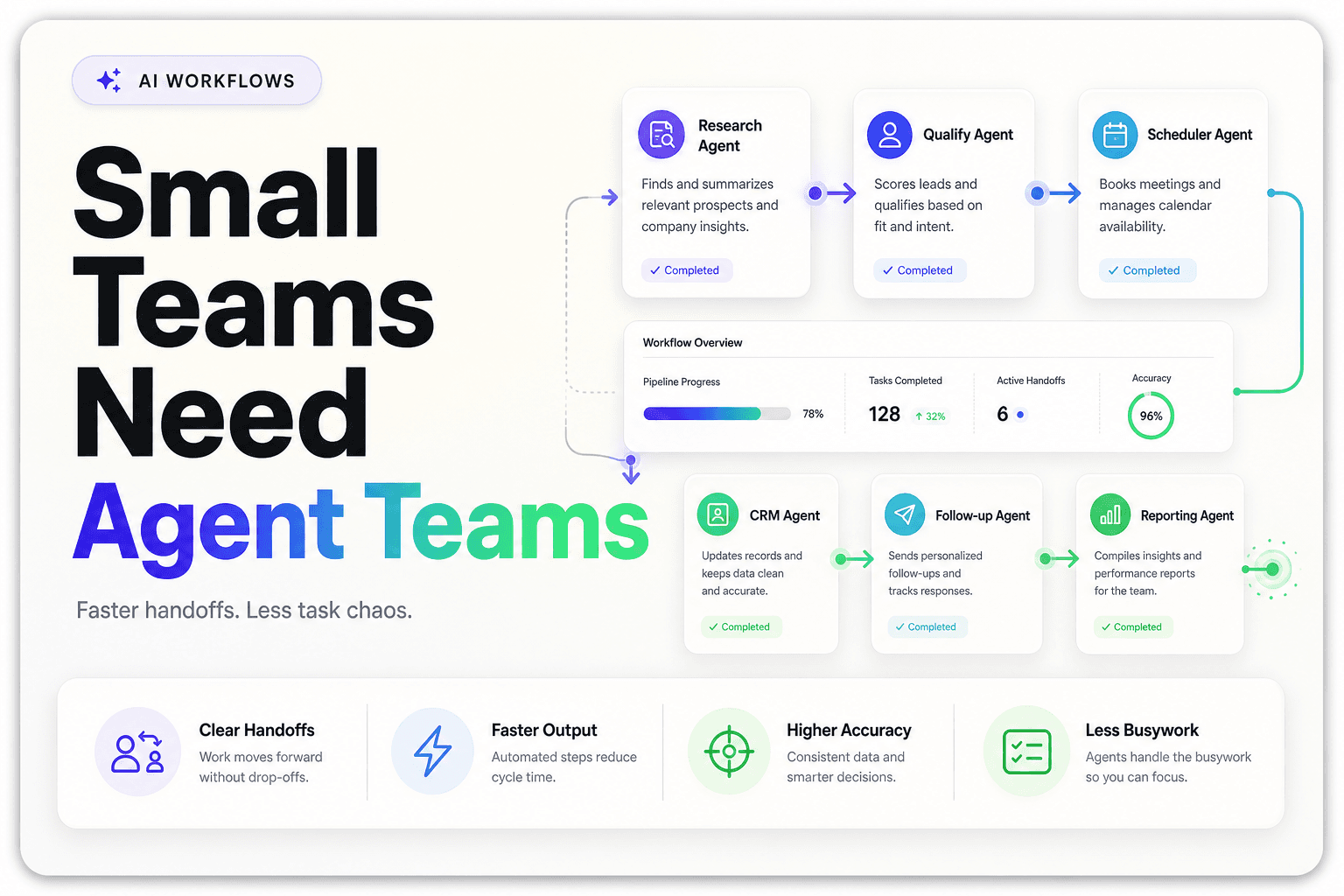
Channel-aware response is one of the clearest places to use AI Agents well.
A sensible setup looks like this:
| Inquiry channel | Immediate AI action | Human handoff trigger |
|---|---|---|
| Website form | Confirm property and ask for tour preference by text or email | Tour request, financing question, seller inquiry |
| Phone call | Voice AI captures intent, property, timing, and callback number | Urgent request, complex question, frustrated caller |
| SMS or social DM | Short reply in the same channel with one useful next step | High intent, multiple messages, request for agent |
| Open-house sign-in | Send a follow-up tied to the property within minutes | Buyer asks for comparable homes or financing help |
The table is simple on purpose. The complexity belongs behind the scenes, not in the prospect’s experience.
Voice AI deserves special attention here. Calls often arrive when agents are driving, at another showing, or speaking with a client. A helpful voice assistant can answer, capture the property address, ask whether the caller is buying or selling, and schedule a callback without forcing someone into voicemail purgatory. The goal is not to make the caller believe they are speaking to a human. The goal is to make sure the caller gets help.
For the design details, see how to build an AI voice receptionist that actually sounds helpful. A bad voice workflow asks too many questions and loses the caller. A good one collects only what the next person needs to act.
Don’t build an automated haunted house
Here is the mildly uncomfortable part: plenty of AI response systems make the customer experience worse.
The usual culprit is an overbuilt sequence. A lead receives an email, a text, another email, a “just checking in” message, an automated call, and a calendar link before they have had time to answer the first question. The team calls it persistence. The prospect calls it blocking a number.
Real estate organizations are learning this lesson at scale. JLL’s 2025 Global Real Estate Technology Survey found that 92% of corporate real estate organizations were piloting AI, but only 5% reported achieving most program goals. JLL’s 2025 Global Real Estate Technology Survey (jll.com) The issue is rarely a lack of AI features. It is loose process design, scattered data, unclear ownership, and no guardrails for when automation should stop.
In practice, we set limits before turning anything on:
- One immediate response per channel, then wait for a reply.
- No generated facts about listings unless they come from an approved live data source.
- A human notification when a lead signals urgency, confusion, or dissatisfaction.
- Automatic follow-up pauses as soon as the prospect books, replies, or asks to stop.
- Clear CRM fields for source, inquiry topic, next action, and owner.
That last item matters more than it looks. If the CRM does not show what the AI said, what the prospect said back, and who owns the next move, the agent begins the conversation blind. The first fast response then creates extra cleanup work instead of momentum.
Teams that want AI Automation to hold up under real volume need CRM Automation built for teams that hate manual data entry. Fast outreach with stale records is merely faster confusion.
Measure the gap between first touch and human judgment
Median response time is a decent start. It is also easy to game.
A team can auto-send “Thanks, we got it” in six seconds and still leave a motivated seller waiting until Tuesday for a meaningful conversation. That is why response reporting needs two clocks:
Clock 1: Inquiry received → useful first reply
Clock 2: Inquiry received → qualified human interaction
Track both by source, time of day, and agent. The numbers will expose the holes fast.
Useful weekly metrics include:
- Percentage of new leads receiving a useful first reply within five minutes
- Median minutes to human contact for high-intent inquiries
- Lead-to-tour conversion by source
- Tour-booking rate after hours versus business hours
- Reply rate by channel
- Leads with no logged next action after 24 hours
- Follow-up messages stopped correctly after a booking or opt-out
AI can create time, but someone still has to decide where that time goes. Gartner reported in May 2026 that sellers using AI save an average of 4.8 hours per week, while 72% of sales organizations fail to reinvest those gains in high-value work. Gartner’s 2026 sales productivity survey (gartner.com)
For real estate teams, the reinvestment decision is pretty clear. Put those reclaimed hours into tours, pricing conversations, negotiations, seller follow-up, and relationship-building. Do not spend them sorting inboxes that should have sorted themselves.
Speed becomes profitable when it creates more real conversations, not when it produces a prettier dashboard.
Build the response system before buying more attention
More leads will not fix a response process that drops people after the form fill. In fact, they make the waste more expensive.
The strongest real estate teams treat lead response as an operating system: every channel feeds one intake layer, every inquiry gets a useful first move, every high-intent prospect reaches a human quickly, and every interaction updates the CRM without requiring an agent to play catch-up after dinner.
That is where practical AI Automation earns its keep. It does the repetitive intake, routing, reminders, and record updates. Your team handles the work that calls for judgment: understanding a family’s real priorities, explaining a neighborhood, pricing a home, and guiding a decision with real financial weight behind it.
AI-Automated builds AI Agents, Voice AI, and CRM Automation systems for teams that need faster response without robotic follow-up. If your leads are arriving faster than your team can reliably handle them, schedule a consultation and we will map the response gaps worth fixing first.